

『Flow Meter Vertical Installation Requirements: Ensuring Flooded Pipe Runs for Accurate Data』Related information(clamp on meter|electromagnetic meter|venturi meterrotameter|orifice meter|ultrasonic flow meter|mass flow meter|coriolis mass flow meter|coriolis flow meter|magnetic flow meter|magmeter flow meter|magflow flow meter|mag meter flow meter|electromagnetic flow meter|vortex flow meter|turbine flow meter|thermal mass flow meter|thermal flow meter|rotameter flow meter)
Flow Meter Vertical Installation Requirements: Ensuring Flooded Pipe Runs for Accurate Data
Quick Answer: Vertical flow meter installations only work well when the pipe run stays completely full. Install liquid meters in a vertical line with upward flow. Never place the meter at the top of a vertical run where air pockets, drainback, or free fall can occur.
These flow meter vertical installation requirements apply to electromagnetic, Coriolis, vortex, ultrasonic, and oval gear flow meters. Silver Automation Instruments is a flow meter manufacturer and supplier for industrial users in Southeast Asia, Oceania, Latin America, Africa, and the Middle East.
Why a Flooded Pipe Run Is Non Negotiable
Most industrial flow meters need a full pipe to measure correctly. A partially filled pipe changes the velocity profile. It also lets air bubbles into the flow. An electromagnetic flow meter may report zero flow when the electrodes lose contact with the liquid. A vortex flow meter will miss vortices when the bluff body is not fully wet. A Coriolis mass flow meter will show density errors if gas bubbles pass through the vibrating tubes.
Vertical pipes increase the risk. Gravity can make the liquid fall faster than the pump refills the line. This creates free fall. The meter then sees a mixture of liquid and air. On a 4-20 mA HART loop this can look like signal spikes. A PLC or paperless recorder may trigger false alarms.
Direction of Flow in Vertical Lines
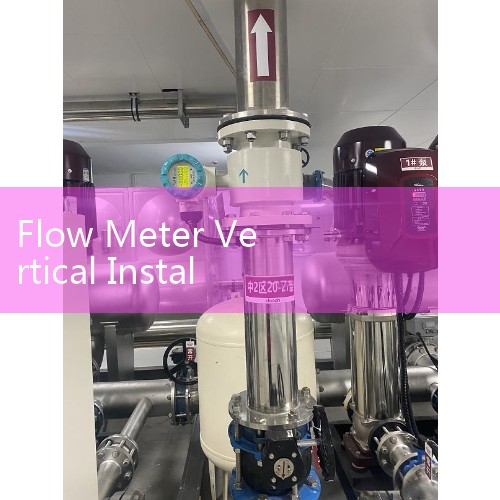
Install the meter in an upward flow line. This applies to electromagnetic, vortex, and many Coriolis mass flow meters. Upward flow uses gravity to keep the pipe full. The liquid pushes against gravity to exit the top. The meter body stays flooded even when flow stops.
Do not install a liquid meter in a downward vertical line. Downward lines often drain from the top. Air enters from the vent or pipe opening. The meter may still read some flow while the pipe is half full. The reading will be wrong. We have seen this on a DN100 electromagnetic flow meter at a wastewater plant in the Philippines. The meter was installed in a downward line after a pump. The signal dropped to zero every time the pump stopped and air entered the pipe. Moving the meter to the upward leg solved the problem.
Product Specific Vertical Installation Notes
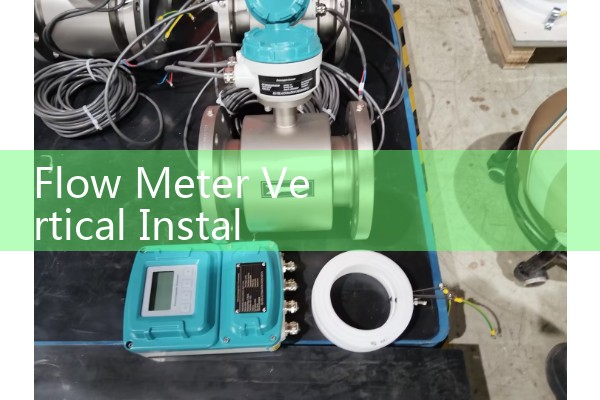
Electromagnetic flow meters. Use upward vertical installation for wastewater, chemicals, and slurries. Keep the electrodes in contact with the liquid at all times. Vertical upward flow also reduces solids settling on the liner. For sludge with solids up to 5 percent, select a PTFE or polyurethane liner. Send us your conductivity value in µS/cm. Many models need a minimum of 5 µS/cm.
Coriolis mass flow meters. Vertical installation works for liquids and gases. For liquids use upward flow. For gases vertical mounting helps drain condensate. A two phase mixture will cause density error. If your batch process has pump stop periods, add a check valve below the meter. We supplied a DN25 Coriolis meter to a paint manufacturer in Vietnam. The batch viscosity reached 800 cP. The density signal drifted because the line drained during pump stop. A spring check valve below the meter fixed the drainback.
Vortex flow meters. Vertical installation is acceptable for steam and gas if flow is upward. For saturated steam, mount the meter in a vertical line with upward flow. This avoids water hammer and condensate pockets. For an ATEX Zone 1 gas line, use a vortex flow meter with 4-20 mA HART output and 30 DN of straight run upstream where possible.
Ultrasonic flow meters. Transit time models need a full pipe. Clamp-on meters can work on vertical pipes but the pipe must be full and the fluid must be clean. For a seawater flow meter for desalination plant use, install the meter on the high pressure side with no air release v
Oval gear flow meters. These positive displacement meters can mount in vertical lines for fuel and oils. Keep the meter full and provide enough back pressure. For diesel transfer lines, a vertical upward installation with a pressure regulating valve at the outlet stops the gears from running dry.
Pressure and Temperature Limits in Vertical Installations
Check the meter body pressure rating before installation. A vertical line can create a high static head. A 30 meter water column creates about 3 bar of static pressure. Add this to the pump discharge pressure. A PN16 flanged electromagnetic flow meter is common for water lines. For chemical feed lines, send us the pressure in bar and temperature in °C. Add a PT100 temperature sensor on the same line if density correction is required.
Straight Run and Pipe Support Requirements
Vertical installations still need straight run. Most electromagnetic flow meters require 5 DN upstream and 3 DN downstream. Vortex flow meters may need 15 DN to 30 DN upstream depending on the fitting type. Coriolis meters do not need long straight runs but the pipe support must isolate vibration.
Support the pipe on both sides of the meter. A vertical line with no support can put bending stress on the flanges. This is common on small DN15 and DN25 lines. We have seen flange leaks on vertical chemical lines because the installer used the flow meter as a pipe support. Use a pipe stand or clamp above and below the meter.
Site Conditions We Have Seen
Most engineers skip this part. In practice, installation errors cost more than the meter itself. Here are two examples from customer sites.
A Middle East gas processing site installed a vortex flow meter in a vertical flare gas line with downward flow. The pipe pressure changed with ambient temperature at night. The meter output showed reverse flow because the line was not full. The fix was moving the meter to the upward common header.
A water treatment plant in Australia used a clamp-on ultrasonic flow meter on a vertical DN80 pipe above a pump. The pipe was half full at low flow. The meter recorded flow only when the pump speed increased. The customer added a back pressure valve after our team checked the installation photo.
How to Specify Your Vertical Flow Meter Correctly
Send us your pressure in bar, temperature in °C, pipe size in DN, and flow range in kg/h or m3/h. Tell us the fluid name, viscosity in cP, and conductivity in µS/cm if you know it. Also send a simple sketch of the vertical pipe section. This helps our engineers check the flow direction and valve positions.
Contact Silver Automation Instruments.
Tel: +86-25-68650347
Whatsapp: +86-25-52155837
WeChat: +86 15365082610
FAQ Vertical Flow Meter Installation
Should a magnetic flow meter be installed in a vertical pipe? Yes. Install it in an upward flow line with the pipe full. Downward vertical flow can create free fall and empty the meter.
Can a Coriolis mass flow meter be mounted vertically? Yes. For liquids use upward flow. For gases vertical mounting helps drain condensate. Keep the meter full and control air bubbles.
Which flow meter type is best for vertical installation? Electromagnetic and vortex meters work well in vertical upward liquid lines. Coriolis meters also work if the meter stays full and the process has no two phase flow.
What pipe size and flow range do I need to send for a quote? Send pipe size in DN, fluid type, flow range in kg/h or m3/h, pressure in bar, temperature in °C, and viscosity in cP if known.
How do I prevent drainback when a pump stops in a vertical line? Add a check valve below the meter or keep the meter below the lowest liquid level. A short flooded pipe section with isolation valves also helps.
 Hot Product
 Related AD