

『How to Measure Oxygen Flow Meter: Reading Floating Ball Center Markings at Eye Level』Related information(clamp on meter|electromagnetic meter|venturi meterrotameter|orifice meter|ultrasonic flow meter|mass flow meter|coriolis mass flow meter|coriolis flow meter|magnetic flow meter|magmeter flow meter|magflow flow meter|mag meter flow meter|electromagnetic flow meter|vortex flow meter|turbine flow meter|thermal mass flow meter|thermal flow meter|rotameter flow meter)
How to Measure Oxygen Flow Meter: Reading Floating Ball Center Markings at Eye Level
Quick Answer: Read the oxygen flow rate from the center of the floating ball, not the top edge or bottom edge. Keep your eye at the same height as the float center. This eye level position removes parallax error. Use an oil-free metal tube variable area flow meter for oxygen service.
Why the Floating Ball Center Matters
Most oxygen variable area flow meters use a ball float inside a tapered metal or glass tube. Gas pushes the ball upward. Higher flow lifts the ball higher. The reading point on a ball float is the widest diameter of the ball, which is its center line. Many floats have a groove or colored band at this center line. Some operators read the top of the ball. Reading the top edge gives a false high reading. Some read the bottom edge. Reading the bottom edge gives a false low reading.
On a 150 mm scale rotameter, reading the top edge instead of the center can shift the value by 5 to 10 percent. That shift is enough to cause errors in gas blending, cylinder filling, or welding purge rates.
Eye Level Reading Procedure
Mount the flow meter vertically. Wait until the float settles and stops bouncing. Stand directly in front of the scale. Move your eyes to the same height as the float center. Read the scale graduation that lines up with the widest part of the ball. Record the flow in L/min or Nm3/h.
Do not read from below the meter. Do not read from above. Both positions create parallax. The parallax error is worse on small DN15 meters where the scale length is short. Even a 15 degree viewing angle can move the reading by one or two scale marks.
Common Errors on Oxygen Flow Meters
One common error is reading the float top instead of the center. Another is using a flow meter that was calibrated for air and then using the meter for oxygen without correction. Oxygen has a different viscosity and density. A third error is mounting the meter on a vibrating pipe or at an angle. The float then bounces or rubs the tube wall.
We have seen this on customer sites many times. A welding shop had a nitrogen meter moved to oxygen service and the reading was off by 8 percent at 15 L/min. The fix was not a new meter. The fix was correct gas calibration and center line reading at eye level.
Oxygen Safety and Cleanliness
Oxygen service is not the same as air service. The meter body, float, seals, and fittings must be oxygen clean. No oil, no grease, no hydrocarbon residue. Use stainless steel or brass for many industrial oxygen lines. For high pressure oxygen above 30 bar, use Monel or stainless steel with oxygen-safe seals. Viton and PTFE are common but must be oxygen rated.
Keep flow velocities within safe limits. Avoid rapid valve opening. A fast pressure surge in oxygen can ignite particles or contaminants. If the meter has a 4-20 mA transmitter, make sure the housing meets the area classification. Many oxygen filling skids need ATEX Zone 1 or Zo
Selecting a Meter for Oxygen Gas
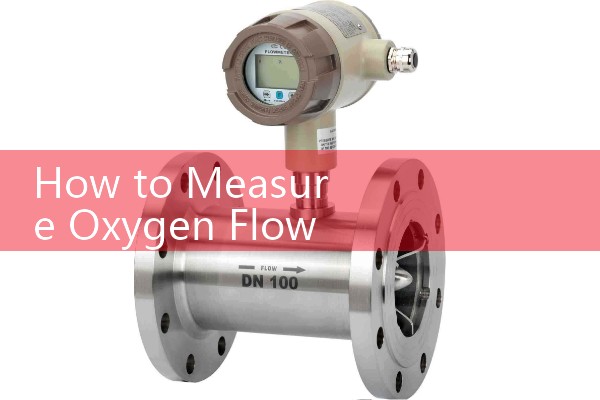
For oxygen flow measurement in industrial lines, we recommend a metal tube variable area flow meter with a ball float. Specify the gas, not just the pipe size. Give the pressure in bar, temperature in °C, and flow range in L/min or Nm3/h. For a typical oxygen supply line at 8 bar and 25 °C, a DN20 stainless steel rotameter can cover 2 to 40 L/min. A DN25 meter can cover 5 to 80 L/min. If you need remote output, add a 4-20 mA HART transmitter. If the area is hazardous, request ATEX Zone 1 approval.
Silver Automation Instruments supplies oxygen flow meters with metal tube variable area flow sensors, 4-20 mA HART output, and oxygen cleaning options. We also supply electromagnetic and Coriolis mass flow meters for larger oxygen lines where higher accuracy is required.
Customer Example from Vietnam
Last year a gas distributor in Vietnam requested an oxygen flow meter for cylinder filling. The operating pressure was 10 bar. The temperature was 30 °C. The required flow range was 5 to 50 L/min. We supplied a stainless steel variable area flow meter with a ball float, oxygen clean seals, and a 4-20 mA transmitter. The customer installed the meter on a vertical panel and reads the float center at eye level for every batch.
FAQ
What part of the float do I read on an oxygen flow meter? Read the center of the ball, which is the widest point. On a ball float with a groove or band, read that mark. Do not use the top or bottom edge.
Can I use a standard air flow meter for oxygen? Not directly. The meter must be oxygen clean and free of oil. It must also be calibrated for oxygen gas or corrected for density and viscosity. Air calibration can cause errors from 3 to 10 percent depending on pressure and flow range.
What is the correct eye position for reading a floating ball flow meter? Your eye must be level with the center of the ball. Not above, not below. This position removes parallax error. For a panel mounted meter, stand directly in front and align your line of sight with the ball center.
What material is safe for oxygen flow meters? Stainless steel, brass, and Monel are common. Seals can be Viton or PTFE if oxygen rated. The entire wetted path must be free of oil and grease. High pressure oxygen above 30 bar needs stricter material and velocity limits.
What flow range and output should I specify for an oxygen flow meter? Send the pressure in bar, temperature in °C, pipe size DN, and required flow range in L/min or Nm3/h. If you need remote monitoring, request a 4-20 mA HART output. If the location is hazardous, request ATEX Zone 1 or Zone 2.
Contact Silver Automation Instruments for an oxygen flow meter quote. Send your pressure in bar, temperature in °C, pipe size DN, and flow range in L/min or Nm3/h. Tel: +86-25-68650347. Whatsapp: +86-25-52155837. WeChat: +86 15365082610. We reply within 12 hours.
 Hot Blog
 Related AD