

『Rotary flow meter』Related information(clamp on meter|electromagnetic meter|venturi meterrotameter|orifice meter|ultrasonic flow meter|mass flow meter|coriolis mass flow meter|coriolis flow meter|magnetic flow meter|magmeter flow meter|magflow flow meter|mag meter flow meter|electromagnetic flow meter|vortex flow meter|turbine flow meter|thermal mass flow meter|thermal flow meter|rotameter flow meter)
What are the different classification standards for common household and industrial water meters? Household and industrial water meters are mainly classified according to measurement principles, usage scenarios, installation methods, measurement accuracy, and other standards. 1. According to the measurement principle, mechanical water meters measure water volume by rotating the impeller, including rotor dust difference or type (small flow rate) and spiral wing type (large flow rate), with low cost but average accuracy. Electronic water meter: using ultrasonic or electromagnetic induction principles, with no mechanical wear, high accuracy, and support for remote reading, suitable for intelligent water management systems. two According to the usage scenario, it is usually DN15-DN25 caliber, mainly mechanical, such as the common rotor type cold water meter. Industrial use: The caliber can reach DN300 or above, requiring high pressure resistance and high flow rate, such as compound water meters or electromagnetic flow meters. three Horizontal installation according to installation method: Most household meters require horizontal pipeline installation. Vertical installation: A specially designed vertical water meter suitable for space limited scenarios. four According to the measurement accuracy of Class A/B, it is mostly Class B for household use (with an error of ± 2%), and Class A for industrial use (with an error of ± 1%) is more accurate. R160/R400: Industrial meters have a higher measurement ratio (maximum/minimum flow ratio) and are adaptable to flow fluctuations. Other categories include hot and cold water meters (distinguished by blue/red markings), prepaid water meters (controlled by IC cards), and wireless Paiw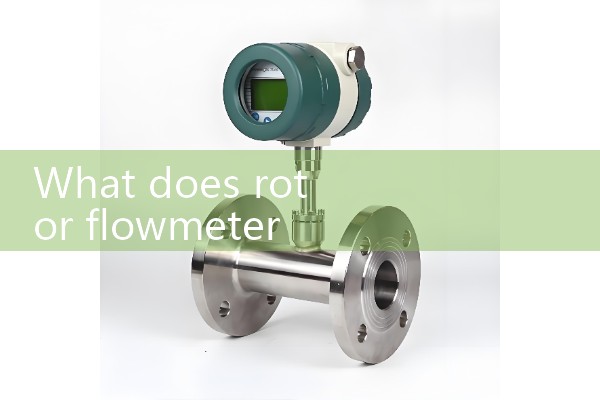
2. What are the models and specifications of tap water meters?
There are two types of tap water meters: LXS and LXL. LXS represents the rotary wing tap water meter, while LXL represents the screw wing tap water meter. The most commonly used diameters are 15mm and 20mm.
. The general caliber is divided into 8 mm、15mm、20mm、25mm、32mm、40mm、50mm、65mm、80mm、100mm、125mm、150mm、200mm、250mm、300mm、400mm、500mm Waiting for various. Additional information: Model example: LXS-15C represents a rotary wing water meter with a nominal diameter of 15mm and a third improved design (integral impeller, 8-position pointer); LXL-80 represents a horizontal spiral wing water meter with a nominal diameter of 80mm; LXSL-20E stands for a 20mm nominal diameter rotary code sparrow wing vertical water meter. Reference: Model Chain Water Meter Baidu Baike3. The meaning of rotary vane meter
The meaning of rotary vane meter is impeller type water meter or rotor type flow meter. Wheel type water meter: This is an instrument that measures water flow by driving the impeller to rotate through water flow. When the water flows through the water meter, the impeller rotates due to the impact force of the scattered water flow, and the speed of rotation is proportional to the speed of the water flow, thus calculating the amount of water flowing through the water meter. Rotor flowmeter: This is also an instrument that measures fluid flow based on the principle of rotor rotation. The fluid passing through the flowmeter drives the rotor t
 Hot Blog
 Related AD