

 Current position > Product detail
『Fluke Portable Ultrasonic Flow Meter Setup: Non-Invasive Energy Audits and System Verifications』Related information(clamp on meter|electromagnetic meter|venturi meterrotameter|orifice meter|ultrasonic flow meter|mass flow meter|coriolis mass flow meter|coriolis flow meter|magnetic flow meter|magmeter flow meter|magflow flow meter|mag meter flow meter|electromagnetic flow meter|vortex flow meter|turbine flow meter|thermal mass flow meter|thermal flow meter|rotameter flow meter)
Fluke Portable Ultrasonic Flow Meter Setup: Non-Invasive Energy Audits and System Verifications
Quick Answer: A portable clamp-on ultrasonic flow meter installs on an existing pipe in 15 to 30 minutes. The setup needs pipe outside diameter, wall thickness, material, fluid type, and temperature. Silver Instruments supplies non-invasive flow meters for energy audits and system verification without cutting pipes or stopping flow.
Why Non-Invasive Measurement Fits Energy Audits
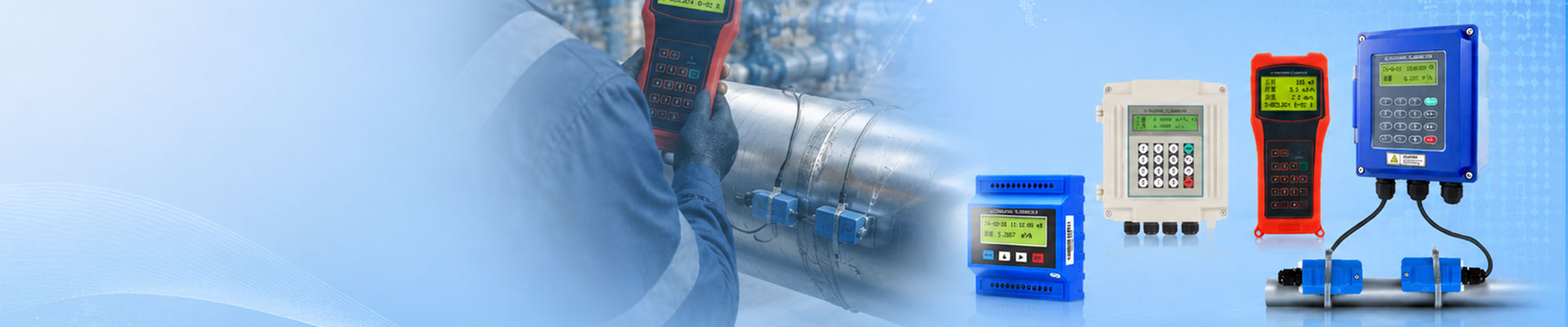
A Fluke portable ultrasonic flow meter setup for non-invasive energy audits and system verifications follows a standard field routine. You do not drain the pipe. You do not cut into the line. You clamp two transducers on the outside of a full pipe and measure velocity.
Because clamp-on sensors do not contact the fluid, there is no shutdown. A plant can keep production running while a technician checks chilled water, hot water, diesel, or light chemical flow. In practice, the job starts with pipe data. You need outside diameter in millimetres. You need wall thickness in millimetres. You need pipe material. Carbon steel, stainless steel, copper, PVC, and HDPE all behave differently. Silver Instruments portable clamp-on ultrasonic flow meters accept these inputs directly in a menu driven setup.
Step by Step Setup That Works on Site
First, clean the pipe surface. Remove dust, paint flakes, and rust. The transducer face needs direct contact with the pipe wall. Use coupling gel or coupling pads. A dry gap causes signal loss.
Second, enter the pipe parameters. Set the outside diameter. Set the wall thickness. Set the fluid type. Most engineers skip this part. They enter the pipe OD from memory. That creates a 2 to 5 percent velocity error on a DN150 carbon steel line.
Third, select the mounting method. Use the V method for DN15 to DN100 pipes. Use the W method for small pipes or poor signal conditions. Use the Z method for DN150 and larger lines. The meter calculates transducer spacing automatically after you enter the pipe data.
Fourth, check signal strength and sound speed. A good clamp-on ultrasonic signal shows a stable value above 60 percent. Sound speed should match the fluid. For clean water at 20 °C, expect around 1482 m/s. If the value drifts, reapply gel or move the sensor away from weld seams.
Pipe and Fluid Data That Affect the Reading
Wall thickness matters more than most users expect. A DN100 carbon steel pipe with 6 mm wall and a DN100 HDPE pipe with 15 mm wall need different acoustic paths. Enter the wrong wall thickness and the flow reading shifts by several percent.
Temperature also matters. A portable ultrasonic flow meter for hot water above 80 °C needs high temperature transducers. Standard clamp-on transducers work up to 120 °C on many Silver Instruments models. For chilled water at 5 °C, standard transducers work fine.
Fluid must be relatively clean. Heavy slurries and high gas fractions reduce signal quality. For wastewater with high solids, a Doppler ultrasonic meter or an electromagnetic flow meter may work better. For clean water, glycol, diesel, and light chemicals, transit time ultrasonic is the right tool.
Where Energy Audits Use Portable Ultrasonic Flow Meters
HVAC engineers use clamp-on ultrasonic flow meters to verify chilled water and condenser water flow. A facility
Compressed air audits use thermal mass flow meters. Liquid energy audits use ultrasonic. A chemical plant in Saudi Arabia verified heat exchanger flows on a DN80 hot water loop. The meter paid for itself by preventing one unplanned shutdown.
Water and wastewater plants use clamp-on meters to compare pump discharge flow against existing inline meters. A municipal plant in Vietnam found a 4 percent offset on a DN300 raw water line. The setup took 25 minutes per measurement point.
Silver Instruments Portable Ultrasonic Flow Meters
Here is the thing. A Fluke portable ultrasonic flow meter setup is a useful reference. Silver Automation Instruments builds portable clamp-on ultrasonic flow meters for the same non-invasive energy audits and system verifications. The meters support DN15 to DN6000 depending on the model. Accuracy is ±1.0 percent of reading for clean liquids. The display shows velocity in m/s, flow in m3/h or L/min, and total flow.
Data output includes 4-20 mA, RS485 Modbus, and an internal data logger. The battery runs 10 to 16 hours per charge. For field audits in Southeast Asia, the Middle East, and Latin America, delivery time is usually faster than imported units from the US or Europe.
We recommend a clamp-on ultrasonic flow meter for energy audits when you need to verify flow without breaking a pipe. For permanent billing or custody transfer, use a full bore electromagnetic flow meter or a Coriolis mass flow meter. For diesel and oil, an oval gear flow meter is simpler.
To select a clamp-on ultrasonic flow meter for your next audit, send pipe data and flow range to Silver Instruments. Tel +86-25-68650347, WhatsApp +86-25-52155837, WeChat +86 15365082610, or visit flow-meter.com.au.
FAQ
Can a portable ultrasonic flow meter measure flow without cutting the pipe? Yes. The clamp-on transducers mount on the outside of the pipe. This is the main reason energy auditors use portable ultrasonic flow meters. No shutdown is needed for clean liquid lines.
What pipe sizes can a clamp-on ultrasonic flow meter handle? Silver Instruments portable clamp-on ultrasonic flow meters handle DN15 to DN6000 depending on transducer type. Small pipes use V method or W method. Large pipes use Z method.
How long does setup take on a DN100 carbon steel pipe? With clean pipe surface and known wall thickness, setup takes 15 to 30 minutes. This includes entering data, mounting sensors, checking signal, and reading flow. A difficult location with poor access may take 45 minutes.
What accuracy can I expect for an energy audit? For a clean liquid, fully filled pipe, and correct pipe data, expect ±1.0 to ±1.5 percent of reading. Dirty pipe wall, low velocity below 0.3 m/s, or gas bubbles can lower accuracy to ±3 percent or worse.
How do I get a price for a portable clamp-on ultrasonic flow meter? Send us your pipe size in DN, pipe material, wall thickness in mm, fluid type, temperature in °C, pressure in bar, and normal flow range in m3/h. Our engineers reply within 24 hours. Contact Silver Instruments by Tel +86-25-68650347, WhatsApp +86-25-52155837, WeChat +86 15365082610, or visit flow-meter.com.au.